Main Sewer Line Cleaning in Wylie, TX
There's a moment every homeowner dreads: water coming up where it should only go down — the shower filling while the toilet flushes, sewage in the tub, the lowest drain in the house becoming a fountain. That's a main sewer line failure, and it's different from every other plumbing problem. It affects the whole house at once, it involves sewage, and every minute of water use makes it worse. This page is your action guide: how to recognize a main-line failure instantly, what to do in the first ten minutes, and how professional main-line cleaning resolves it — with the camera proof that it won't happen again next month.
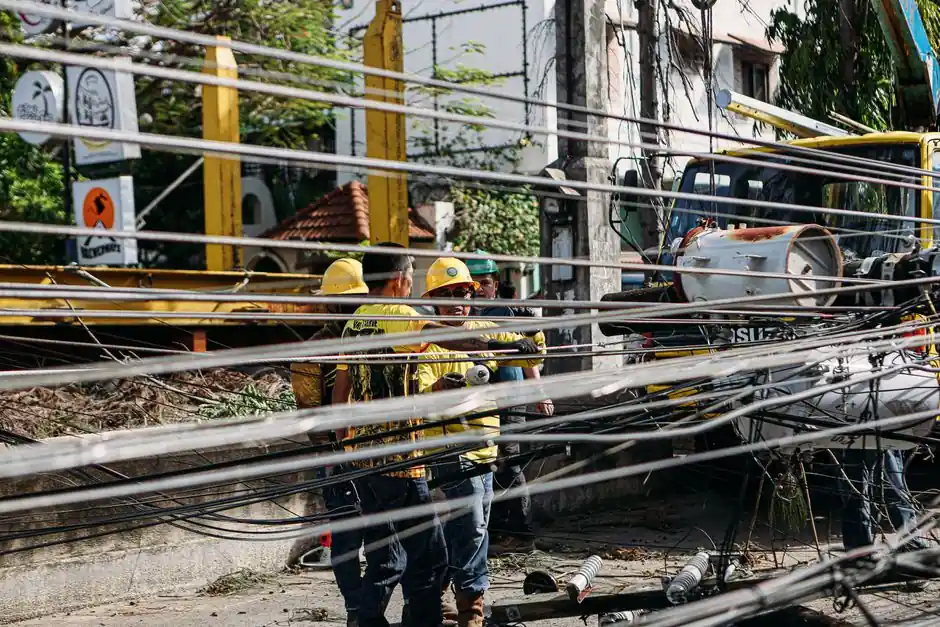
When the main line fails
Recognizing and responding to a main sewer line blockage in Wylie
The main sewer line is the single pipe carrying all of your home's wastewater to the city sewer. When it blocks, nothing drains properly — because every fixture shares the same exit, and that exit is closed. Unlike a clogged sink, which is an inconvenience, a blocked main is a whole-house event with health implications: sewage backing up into tubs, showers, and floor drains. Knowing instantly that "this is the main" — and knowing what to do — is the most valuable plumbing knowledge a homeowner can have.
The recognition is pattern-based, and the pattern is unmistakable once you've seen it described: multiple fixtures failing simultaneously, water appearing in fixtures you aren't using, gurgling that crosses between rooms, and — the clincher — the lowest drain in the house acting as the backup point. If you're seeing that pattern, stop reading and stop using water; the action steps below matter more than the explanation.
Professional main-line cleaning is the resolution: full-size equipment working through your cleanout, camera guidance throughout, roots cut and buildup cleared, and the verified proof that the line is open. It's the heavyweight service for the heavyweight problem — and on the main line, the camera isn't optional, because the difference between "blocked" and "broken" determines everything about what happens next.
The failure pattern, recognized instantly
Everything fails at once
The hallmark: toilets, tubs, sinks, and showers all misbehaving simultaneously — weak flushes, slow drains, gurgling across rooms. A branch clog affects one fixture; only the main affects them all. When the whole house speaks at once, it's the main line talking, and the message is urgent.
Gurgling toilets and the smell of sewage
The toilet gurgles — especially when the washer or dishwasher runs — and there's a sewage odor that wasn't there yesterday. The gurgling is air forced through trap water by the blockage downstream; the odor is sewer gas finding its way back through the system. Together, they're the main line's distress signal, and they're rarely wrong.
The lowest fixture becomes the outlet
Water seeks the lowest exit: the basement shower, the ground-floor tub, the laundry floor drain starts filling or overflowing while fixtures upstairs are used. This is physics, not mystery — the blockage is downstream, so wastewater backs up to the lowest available opening. Whatever fixture is lowest is where the main line's failure becomes visible first.
The first ten minutes: your action plan
What to do the moment you recognize it
Main-line failures reward fast, correct action and punish hesitation. Here's exactly what to do, in order, the moment you recognize the pattern.
- 01 Stop all water use immediately Every flush, every running tap, every appliance adds to the backup. Tell everyone in the house: no toilets, no sinks, no laundry, no dishwasher. This single step limits the damage more than anything else you'll do.
- 02 Keep people and pets away from backup areas Sewage is a health hazard — bacteria, viruses, contaminants. Keep children and pets clear of any affected fixture or floor area. Don't wade through it to "check"; the checking can wait for the professional.
- 03 Note the pattern for the technician Which fixtures are affected, what you were doing when it started, whether it's the first time. That pattern is diagnostic gold — "the shower filled when the washer drained" tells the technician where to look before the camera confirms it.
- 04 Call for main-line service now This is not a wait-and-see situation and not a DIY situation. Call, describe the multi-fixture pattern, and mention any sewage present — that prioritizes the response. While waiting, don't run water "to test it"; the test results are already in.
Why cleaning comes before digging, always
There's a temptation in a main-line crisis to assume the worst — collapsed pipe, excavation, disaster. But most main-line blockages are clearable: roots, grease, sludge, debris. Professional protocol is always cleaning first, with the camera revealing whether the pipe is sound or damaged. Digging without cleaning first means excavating on a guess; cleaning first means any excavation — if needed at all — is targeted, justified, and based on footage. The order matters enormously for your wallet: the vast majority of main-line failures resolve with cleaning alone.
Contact us nowThe professional response toolkit
Sewer cameras for instant diagnosis
In a main-line emergency, the camera's first job is triage: blockage or break? The answer determines everything — a blockage gets cleared, a break gets a repair plan. That distinction, made in minutes on video, prevents both the undertreatment (snaking a broken pipe) and the overtreatment (excavating for a clog). Diagnosis before action, even under pressure.
Full-size main-line augers
Main lines need main-line equipment: heavy cable, powerful drive, cutting heads that chew through root masses and dense blockages. This is the primary clearing force — operated with the camera's guidance, so the power goes where the blockage is and respects what the pipe's condition allows.
Hydro jetting for the complete clear
After the auger breaks the blockage, jetting scours the line's full circumference — removing the grease, sludge, and root fragments the cutting leaves behind. On a main line, this two-stage approach is what produces a genuinely clear pipe rather than a temporarily open one. The emergency gets the complete treatment, not the quick version.
Root-cutting heads for the usual suspect
Roots cause the majority of main-line blockages, so root-cutting heads are the standard tooling: spiral saws and blades that shred intrusions rather than just piercing them. The head choice follows the camera's read of the mass — because in an emergency, using the right cutter the first time is what restores flow fastest.
Main-line response across Wylie
Responding to a main-line failure in Wylie starts with understanding the local ground: expansive clay that shifts pipes and creates the bellies and offsets where blockages form, mature trees whose roots are the leading blockage cause, and the full range of housing from new subdivisions to historic downtown — each with its own main-line profile. The response adapts to what the camera finds in your specific ground.
Neighborhood age shapes the likely cause. Near historic downtown, aging joints and older pipe materials dominate the camera's findings; in newer subdivisions, construction debris and settling-related bellies are more common; lakeside areas add aggressive root pressure from the moist soil. The technician reads your area's pattern against your footage — local knowledge meeting direct evidence.
Neighborhoods we serve around Wylie
- • Historic District
- • Main Street corridor
- • Lake Lavon
- • FM 544
- • Birmingham
The proof that it's really clear
Why Wylie main lines fail
The number one enemy of a Wylie lateral is movement. Expansive clay swells when wet and shrinks when dry, and that endless cycle works every buried joint — opening tiny gaps, creating low spots, stressing connections year after year. A main line doesn't have to break to fail; it just has to shift enough to create the belly or offset where debris collects, and the clay provides that shift continuously.
Roots are the second enemy, and the more visible one. They exploit the gaps movement creates, entering as fine hairs and expanding into masses. In Wylie's moist soils — especially lakeside — the root pressure is relentless, which is why root masses are the most common thing the emergency camera finds. The movement opens the door; the roots walk through it.
Then there's accumulation: grease from years of cooking, sludge from normal use, the debris that a shifting line can't quite flush. And in newer areas, construction sediment still working through young systems. Each factor alone is manageable; combined in one lateral, they're the recipe for the 2 a.m. backup. Understanding the combination is what makes the response effective — the clearing addresses all of it, not just the final straw.
The pattern to remember: movement creates vulnerability, roots exploit it, accumulation completes it. Professional main-line service reverses all three — clearing the accumulation, cutting the roots, and documenting the movement's effects on camera so you know what the line needs going forward. It's the complete answer to the complete problem.
- ▸ Stop water use the instant you recognize the multi-fixture pattern — every gallon worsens the backup.
- ▸ Sewage is a health hazard: keep people and pets away, don't wade in to investigate.
- ▸ Cleaning comes before any digging — most main failures resolve without excavation.
- ▸ The camera distinguishes blockage from break in minutes — the distinction that determines everything.
Main-line backups can't wait in Wylie
Sewage coming up? Call now
If sewage is backing into your home right now, this is the emergency the service exists for. Stop using water, keep everyone clear of affected areas, and call — we'll prioritize the response, talk you through the immediate steps, and arrive with the full main-line capability: camera, full-size clearing equipment, and the experience to resolve it fast without cutting corners.
What to expect when we arrive: immediate assessment, camera diagnosis to distinguish blockage from damage, then the clearing the footage calls for — all explained as it happens. The goal is your whole house draining safely again, with the video proof that the line is genuinely clear and the honest word on what it needs next.
The emergency clearing, step by step
Rapid assessment, camera first
We arrive, confirm the multi-fixture pattern, and get the camera in quickly — because the first decision (clear it or plan a repair) has to be right, and only footage makes it right. You'll see what we see: the blockage, its character, the pipe around it. Even in an emergency, the diagnosis leads.
Access and equipment staging
The cleanout becomes mission control: full-size cable machine staged, jetter ready, work area protected. Emergency staging is fast but never sloppy — the equipment is powerful, and controlled setup is what keeps it safe for your pipes and property.
Clearing the blockage completely
The auger with the appropriate heads powers through — roots shredded, grease bored, debris extracted — then the jetter scours the line clean where the blockage's character warrants it. It's the complete clearing, not the fastest possible poke-through: in an emergency, the temptation to rush is exactly what thorough protocol resists.
Testing, verification, and the honest next step
The camera returns to prove the line is open, every fixture gets tested to confirm the house drains, and we walk you through the footage — what caused this, what the pipe's condition is, and what prevents the next one. The emergency ends with understanding, not just flow.
What emergency main-line service involves
Emergency main-line work is priced for what it is: immediate response, full-size equipment, camera throughout, and the expertise to resolve a whole-house crisis correctly. The scope factors are straightforward, and we'll be clear about them even in the urgency of the moment.
Access and line length
Cleanout access and the lateral's length set the operation's scale — longer runs and difficult access mean more time and equipment. In the emergency, we work with whatever access exists and establish better access if needed.
What the blockage is
A soft sludge blockage clears faster than a woody root mass; the camera shows us which within minutes of arrival. The blockage's character determines the tooling and the time — and the footage means we're never guessing under pressure.
Pipe condition under stress
The camera also reads the pipe's condition — because emergency clearing on a damaged line needs a different approach than on a sound one. That condition read protects your pipes even in the rush, and it informs the honest recommendation about what the line needs after the crisis.
Straight answers, even at midnight
Emergency or not, you get the same straight talk: what we found, what we did, what it means, what prevents recurrence. No crisis markup on honesty — the footage is shown, the options are explained, and the decisions stay yours. Urgency changes the schedule, not the standards.
Call (972) 961-2761Main-line emergency questions
How do I know it's the main line and not a branch drain?
The multi-fixture test: if more than one fixture is affected — toilets plus tubs plus sinks, especially with cross-fixture symptoms like the shower filling when the toilet flushes — it's the main. A branch problem stays in its branch; only the main takes down the whole house. When in doubt, the lowest fixture test confirms it: backups at the lowest drain mean the blockage is downstream of everything.
Can you fix it without digging up my yard?
Almost always, yes. Main-line cleaning works entirely through your cleanout — camera, cable, and jetter all enter through existing access. The vast majority of main-line failures are blockages, not breaks, and blockages clear without excavation. Digging only enters the conversation if the camera finds structural damage — and then it's targeted, planned, and based on footage, not a midnight guess.
How are tree roots removed in an emergency?
The same way as scheduled — just faster to arrive. Root-cutting heads shred the mass from inside the pipe through the cleanout, debris gets flushed, and the camera verifies the clearing. The emergency doesn't change the method; it changes the response time. What it can't change is the follow-up: after an emergency root clearing, the management schedule matters more than ever.
What if the camera shows a broken pipe?
Then you'll know immediately — and knowing is the valuable part. A break gets a repair plan, not a clearing: the footage shows the exact location and character, which means a targeted, quoted, scheduled repair instead of repeated futile cleanings. Finding it during the emergency response is actually fortunate timing — it's the earliest possible moment to plan the real fix.
How long does emergency main-line clearing take?
Most main-line emergencies resolve in a few hours from arrival — assessment, camera, clearing, verification. Severe root masses or complex blockages take longer, but the goal is always same-visit resolution: your whole house draining safely before we leave. The camera footage sets the expectation upfront, so the timeline is honest from the start.
Will the clearing damage my older pipes?
Not when it's done right — which is why the camera leads. The footage shows the pipe's condition before any clearing force is applied, and the method is matched to what the pipe can handle. Historic downtown's older lines get the same emergency response with the added care their age warrants: effective clearing, zero recklessness. The camera is the safety system.
How often should the main be cleaned to prevent this?
Set by what the emergency camera revealed: heavy root pressure means annual scheduled cutting; moderate accumulation means every couple of years; clean pipes with no risk factors mean longer. The emergency footage is actually the perfect baseline for the prevention schedule — it shows exactly what your line produces and how fast. The best time to plan prevention is right after the crisis it would have prevented.
Related services
Drain Camera Inspection
The diagnostic that leads every main-line response — camera surveys that distinguish blockage from break in minutes, guiding the right action from the start.
Hydro Jetting
The complete-clearing follow-up for main lines — high-pressure scouring that removes what cutting leaves behind, so the emergency clearing lasts.
Main-line failure? We're ready now
Don't wait out a main-line backup — it only gets worse. Call (972) 961-2761 now: stop using water, keep clear of affected areas, and we'll handle the rest — camera diagnosis, complete clearing, verified results, and the plan that prevents the next one. The main line, resolved.